Protein myths, checked
What people believe about protein, why it sounds right, and what is true.
 No
Your body can only use 30 g of protein at a meal
No. The 30 g came from short studies of muscle building, not of absorption. In 2023, 100 g after a workout kept muscle building going for more than 12 hours.
 Sort of
You need 1 g of protein per pound
Sort of. In 49 trials, gains leveled off near 0.7 g per pound. 1 g per pound is the top of the uncertainty, and it fits lean people lifting hard on a diet.
 No
A high-protein diet damages your kidneys
No, not healthy ones. 28 studies and then 22 trials found more filtering and no sign of injury, though most were short. With kidney disease your doctor sets your number.
 No
You have to eat protein within 30 minutes of a workout
No. Across 23 studies, protein timing around workouts made no difference once the day's total was counted, and the total was the strongest predictor of muscle growth.
 Not the way you think
Plant protein can't build muscle like meat
Soy matched milk in 17 trials, and a vegan diet matched for protein built the same muscle in 10 weeks. Single non-soy plant proteins fell short, so use soy or a blend.
 No
You need less protein as you get older
No. Older muscle needs a bigger meal: about 0.40 g per kg in men around 71 against 0.24 at 22. Up to 46% of US adults over 70 eat less than even the old 0.8 minimum.
 Sort of
The protein is in the egg white
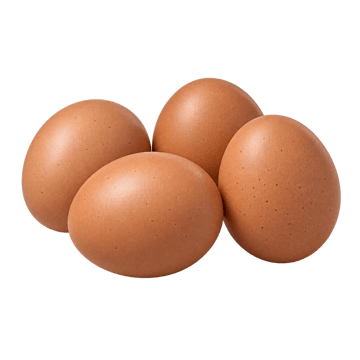
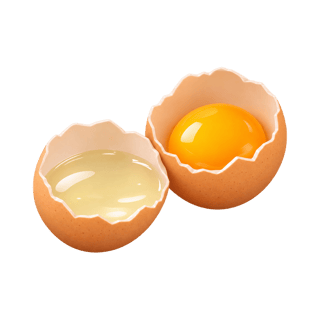
Sort of. A large egg's white has 3.6 g of protein and the yolk 2.7 g, so tossing the yolk tosses 43% of it. Whites do win per calorie, 21 g per 100 against 8.8.
 Not the way you think
Peanut butter is a good source of protein
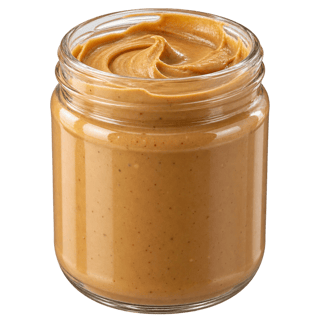
Two tablespoons have 7 g of protein and 191 calories, 3.7 g per 100 calories, less than a plain bagel's 4.0. It's good food, but it isn't a protein food.
 Yes, but
Eating more protein makes you eat less
Yes, but mostly one way. Across 38 trials more protein went with fewer calories. In one trial, cutting protein raised intake 12%, while raising it didn't lower intake.