Plant protein can't build muscle like meat
Short answerNot the way you think
On this page
Plant protein can build muscle as well as meat, with a catch. Soy matched milk for muscle across 17 trials, and in a 10-week trial a vegan diet with the same protein built the same muscle as one with meat. Single plant proteins other than soy fell short, so use soy, mix your sources, or eat a bit more.
What we’d do
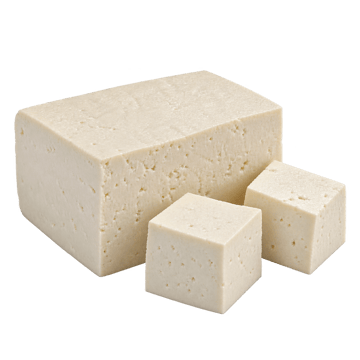
If you eat plants, make soy your main protein, with tofu, tempeh, edamame or soy milk at most meals, and mix in lentils, beans and seitan. If you use a powder, pick soy or a blend over a single pea or rice protein, or take a bigger scoop. Aim for the top of your daily range rather than the bottom, and lift. That’s what the vegan diet in the best trial looked like.
If you remember three things
- Soy matched milk. No difference in muscle across 17 trials.
- A vegan diet built the same muscle as a diet with meat in 10 weeks, with protein matched at about 2 g per kg.
- Single non-soy plant proteins fell short. Rice, oat or potato alone built less in 5 trials.
Why people believe it
Meat looks like muscle, because it is muscle. It seems natural that eating muscle builds muscle best. On top of that, plant proteins are often called “incomplete”, and lab studies found that a dose of soy or wheat protein switched on less muscle building than the same dose of milk protein.
The lab studies were right about the dose. They compared gram for gram. What they didn’t test was whether eating more plant protein, or the right kind, closes the gap over months.
What makes the gap
The difference comes down to the amino acid mix. In a 2018 lab analysis at Maastricht University, plant protein powders averaged 7.1% leucine, the amino acid that helps switch on muscle building, against 8.8% for animal proteins. Whey had about 11%.
To get the leucine in 25 g of whey, you’d need about 40 g of soy protein, 38 g of pea or 37 g of brown rice. Think of it like a currency with a worse exchange rate. You need more of it to buy the same thing, but it buys the same thing.
What the trials found
43 trials, plant against animal
Reid-McCann and colleagues, Queen’s University Belfast, 2025
Soy and milk built the same muscle across 17 trials. Animal protein built more than single non-soy plant proteins (rice, chia, oat, potato) across 5 trials. Strength was the same either way.
Overall plant protein built slightly less muscle in adults under 60. In adults 60 and over the gap was too small to measure.
Vegan or not, 10 weeks
22 young adults lifting five days a week. Monteyne and colleagues, University of Exeter, 2023
Both diets had about 2 g of protein per kg a day. Lean mass rose 2.6 kg on the diet with meat and 3.1 kg on the vegan one, and thigh muscle grew 8.3% in both groups.
Young adults with a high protein intake. One author worked for the company that makes the mycoprotein used in the vegan diet.
The Exeter trial is the one that answers the question most directly. The vegan group ate no meat, dairy or eggs at all, leaned on mycoprotein (a protein made from a fungus) and other plant foods, and trained hard. They built at least as much muscle as the people eating meat.
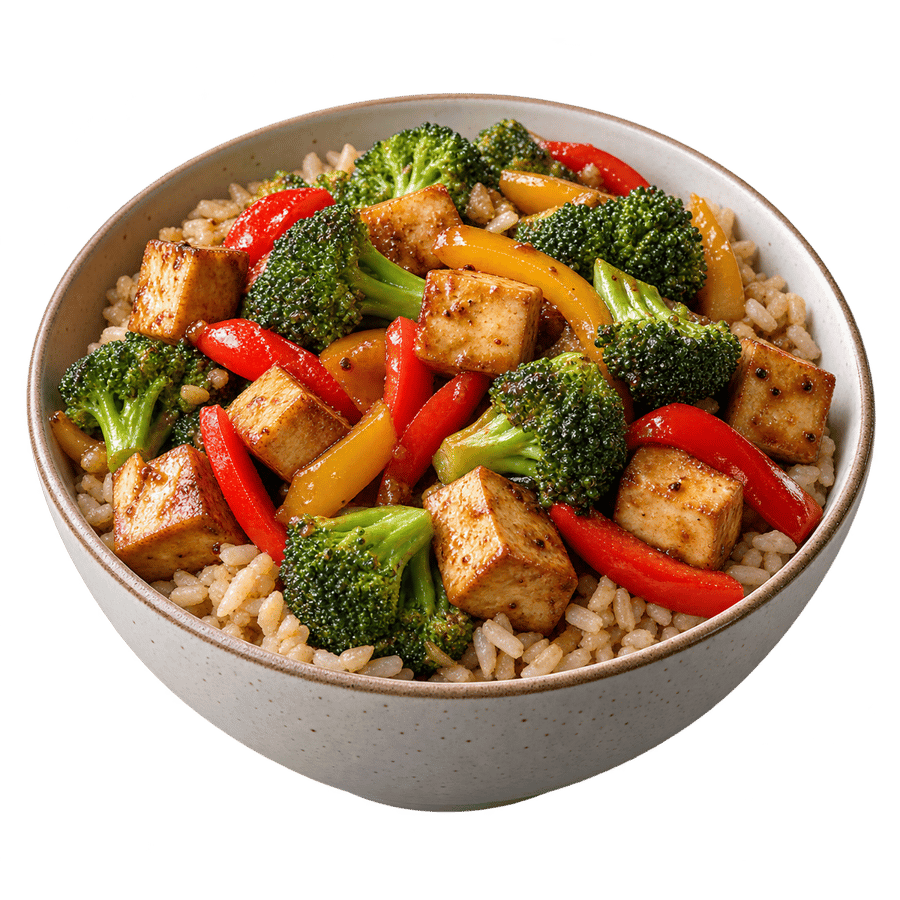
Where the belief is right
If your plant protein comes mostly from one weak source, like rice, oats or potatoes, the gap is real. The 2025 review found these single proteins built less muscle than animal protein. Plant-based diets as a whole, across 7 trials, also came out behind.
The fixes are the same three every time. Use soy, which matched milk. Mix sources, since the Maastricht lab found blends of plant proteins can closely match animal protein on paper. Or eat more, since most plant proteins need about 1.3 to 2 times the serving to match whey on leucine.
Soy foods, by the numbers
| Food | Serving | Protein | Calories |
|---|---|---|---|
| Tofu, firm | 1/2 cup | 22 g | 181 |
| Tempeh | 3 oz | 17 g | 163 |
| Edamame, shelled | 1 cup | 18 g | 188 |
Half a cup of firm tofu and a cup of edamame make 40 g of protein, enough for one big meal or two smaller ones. The plants section builds a full day.
4 sources
- Reid-McCann et al., Effect of plant versus animal protein on muscle mass, strength, physical performance, and sarcopenia: a systematic review and meta-analysis of randomized controlled trials, Nutrition Reviews, 2025pmc.ncbi.nlm.nih.gov
- Monteyne et al., Vegan and omnivorous high protein diets support comparable daily myofibrillar protein synthesis rates and skeletal muscle hypertrophy in young adults, Journal of Nutrition, 2023pmc.ncbi.nlm.nih.gov
- Gorissen et al., Protein content and amino acid composition of commercially available plant-based protein isolates, Amino Acids, 2018pmc.ncbi.nlm.nih.gov
- USDA FoodData Central, SR Legacy records 172475, 174272, 168411 and 168878fdc.nal.usda.gov