How much protein do vegans need?
On this page
The same 1.2 to 1.6 g per kg a day as anyone, about 100 to 130 g at 180 lb. Plant protein carries a little less leucine per gram, and soy, a pea and rice mix, or a bit more protein closes most of that gap. In a 10-week trial, a vegan diet with as much protein as a meat diet built the same muscle. The Gyroscope app personalizes yours.
Vegans hear about protein constantly, usually from people who aren’t vegan. “Where do you get your protein?” is a running joke for a reason. The answer from vegan circles, that protein is never a problem, isn’t quite right either, and the old line that plants can’t build muscle is wrong.
We think a vegan diet can build and keep muscle as well as any other, if the protein is actually there. The 2025 to 2030 US Dietary Guidelines list protein among the shortfalls in vegan diets, and say to vary plant protein sources for a better balance of amino acids. We’d hit the same range as everyone else and lean on soy, seitan, tempeh and lentils, because they carry the most protein per calorie among plant foods.
Plant protein is like paying in a currency with a slightly worse exchange rate. You get to the same place, and it costs a little more to get there.
What the trials found
In a 2023 trial, 22 young adults lifted hard for 10 weeks on about 2 g of protein per kg a day. One group ate meat and dairy and the other was fully vegan, with mycoprotein, a fungus-based protein, as the main source. The vegans gained 6.8 lb (3.1 kg) of lean mass and the omnivores 5.7 lb (2.6 kg). Thigh muscle grew 8.3% in both groups, and the differences weren’t significant.
A 2025 review by Reid-McCann and colleagues pooled the randomized trials of plant against animal protein. Overall, plant protein built slightly less muscle, with no difference in strength. Soy against milk protein, across 17 trials, showed no difference at all. Single plant proteins other than soy fell well short. In adults 60 and over there was no clear difference.
Why plants need a bit more
The difference is leucine, the amino acid most tied to switching on muscle building. In a 2018 analysis of protein powders, plant proteins averaged 7.1% leucine and animal proteins 8.8%. Whey had about 11%. It takes about 38 g of pea protein or 40 g of soy protein to get the leucine in 25 g of whey. A bigger portion or a mix fixes it. See is pea protein as good as whey?
Plant foods ranked
| Food | Serving | Protein | Per 100 calories |
|---|---|---|---|
| Seitan strips (branded) | 2 oz | 15 g | 16.7 g |
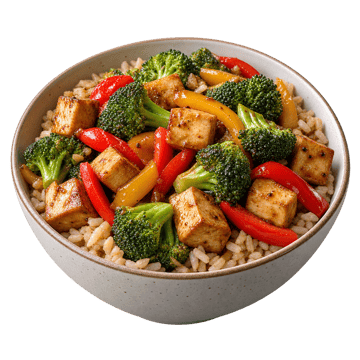
| Firm tofu | 1/2 cup | 21.8 g | 12.0 g |
| Tempeh | 3 oz | 17.3 g | 10.6 g |
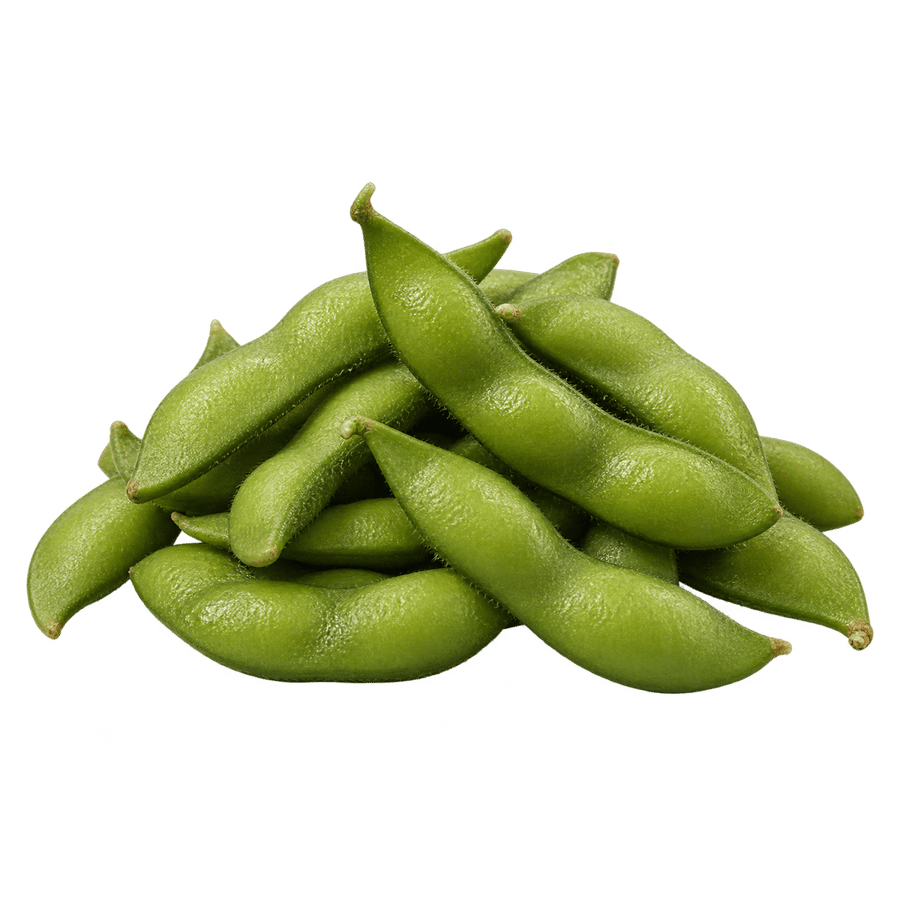
| Edamame | 1 cup | 18.4 g | 9.8 g |
| Lentils, cooked | 1 cup | 17.9 g | 7.8 g |
| Black beans, cooked | 1 cup | 15.2 g | 6.7 g |
| Chickpeas, cooked | 1 cup | 14.5 g | 5.4 g |
| Peanut butter | 2 tbsp | 7.1 g | 3.7 g |
| Quinoa, cooked | 1 cup | 8.1 g | 3.7 g |
From USDA FoodData Central. Firm tofu varies a lot by brand, and USDA has a second record at about half that protein per gram, so check your pack. Quinoa’s reputation as a protein food is bigger than its protein.
A vegan 100 g day
| Food | Protein | Calories |
|---|---|---|
| 1 cup edamame | 18.4 g | 188 |
| 1/2 cup firm tofu | 21.8 g | 181 |
| 1 cup cooked lentils | 17.9 g | 230 |
| 3 oz tempeh | 17.3 g | 163 |
| 2 oz seitan strips | 15 g | 90 |
| 2 slices whole wheat bread | 8.0 g | 162 |
| The day | about 98 g | about 1,010 |
The same 100 g from eggs, Greek yogurt, chicken, lentils and cottage cheese comes in about 790 calories. Plants cost a couple of hundred calories more for the same protein, and they bring fiber that the animal day doesn’t.
What we’d do
- Hit your range with the daily range calculator.
- Put soy, seitan, tempeh or lentils at every meal, and use a soy or pea and rice powder for a light breakfast.
- Vary your plant proteins over the day, as the US guidelines suggest.
Filter the per-calorie calculator to plants to see every option. Our plants guide and the myth that plant protein can’t build muscle like meat go deeper.
6 sources
- US Department of Agriculture and US Department of Health and Human Services, Dietary Guidelines for Americans, 2025 to 2030, January 2026cdn.realfood.gov
- Reid-McCann et al., Effect of plant versus animal protein on muscle mass, strength, physical performance, and sarcopenia: a systematic review and meta-analysis of randomized controlled trials, Nutrition Reviews, 2025pmc.ncbi.nlm.nih.gov
- Monteyne et al., Vegan and omnivorous high protein diets support comparable daily myofibrillar protein synthesis rates and skeletal muscle hypertrophy in young adults, Journal of Nutrition, 2023pmc.ncbi.nlm.nih.gov
- Gorissen et al., Protein content and amino acid composition of commercially available plant-based protein isolates, Amino Acids, 2018pmc.ncbi.nlm.nih.gov
- USDA FoodData Central, SR Legacy records 168411 (edamame), 172475 (firm tofu), 172421 (lentils), 174272 (tempeh), 172688 (whole wheat bread), 173735 (black beans), 173757 (chickpeas), 174266 (peanut butter), 168917 (quinoa), 171287 (egg), 170894 (nonfat Greek yogurt), 171534 (grilled chicken breast) and 173417 (1% cottage cheese)fdc.nal.usda.gov
- Sweet Earth seitan strips, branded record 2495506, USDA FoodData Centralfdc.nal.usda.gov