Raw or cooked?
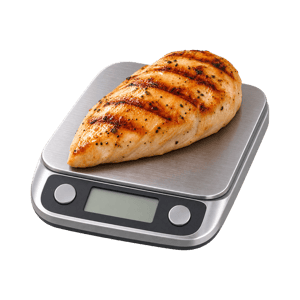
Cooking drives off water, so the meat weighs less and each ounce carries more protein. Use the number that matches how you weighed it.
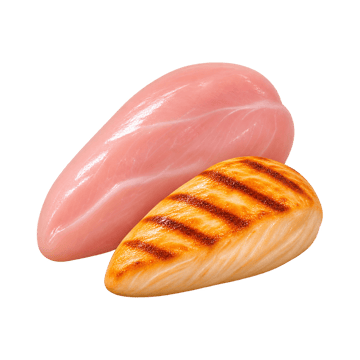
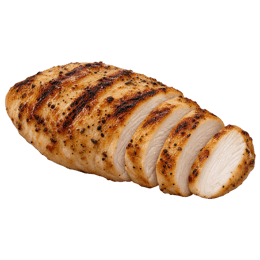
25 gof protein
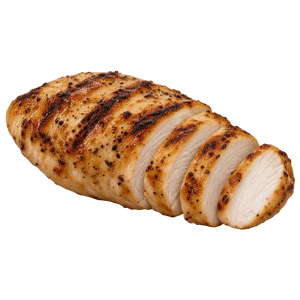
4 oz raw is about 3 oz grilled, with the same 25 g of protein. Cooking drives off water, and the protein stays in the meat.
Logging this raw weight with the cooked number counts 35 g instead of 25 g.
- Raw, per 100 g
- 22.5 g
- Grilled, per 100 g
- 30.5 g
- Cooked weight
- 74% of raw
What your result means and what to do next
- Log with the number that matches how you weighed it. Raw weight, raw figure. Cooked weight, cooked figure.
- If you've been mixing them up, your totals were off by about a quarter to a third. Recount one normal day with the right figures.
Then add the corrected grams up in the meal line calculator and set the day against your range.
Either works, if the numbers match
100 g of raw chicken breast has about 22.5 g of protein, and 100 g grilled has about 30.5. The meat didn't gain protein. It lost water, like a sponge you wring out: lighter, same sponge.
Assuming the protein stays in the meat, 100 g of grilled breast starts as about 136 g raw, and USDA's own piece weights agree (a 272 g raw breast grills to 196 g, 72%). So 4 oz raw is about 3 oz cooked, and both carry about 25 g.
The mistake in grams
Use the cooked figure on a raw weight and you count about 36% too much. Use the raw figure on a cooked weight and you count about 26% too little. Over a week of logging that's the difference between hitting your range and thinking you did.
1 sources
- USDA FoodData Central: chicken breast raw (171077) and grilled (171534), chicken thigh raw (173627) and roasted (172388), 93/7 ground beef raw (173110) and pan-browned (174755)fdc.nal.usda.gov